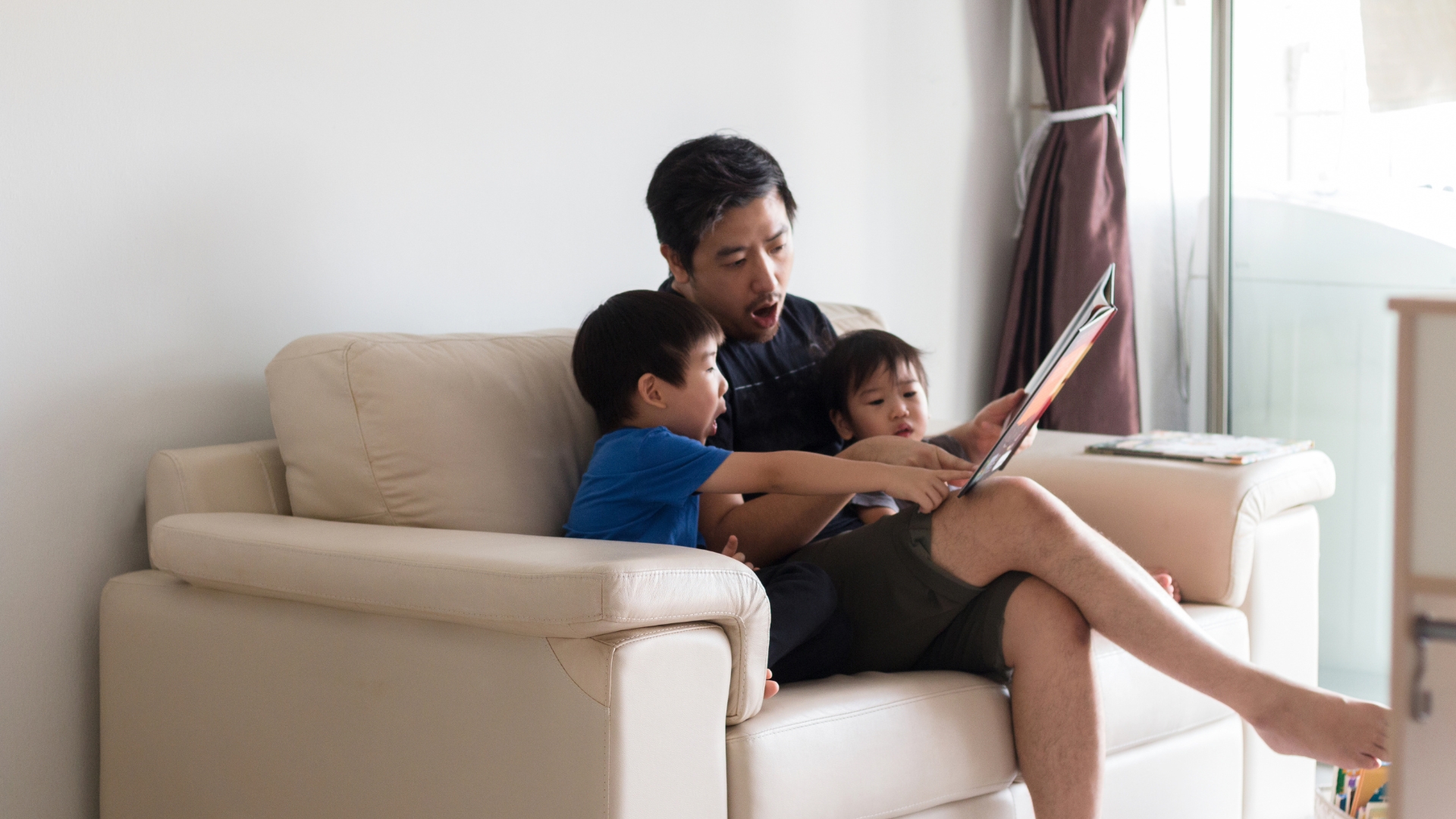
It’s natural for children to feel nervous before a test or when facing something new. But when anxiety around learning becomes a pattern, it can affect more than just academic results.
It can impact confidence, motivation, and wellbeing.
At ThriveTutors, we work closely with families who see this happening in their homes. Their child might suddenly say “I hate school,” become anxious at homework time, or start avoiding anything that feels challenging. These are all signs that anxiety may be standing in the way of progress.
Here’s how you can help your child manage learning anxiety and what support can look like when they need more than reassurance.
Understand the Root Cause
Learning anxiety doesn’t always come from a fear of school itself—it often stems from:
- A fear of making mistakes
- Past experiences of failure or embarrassment
- A belief they’re “not smart enough”
- Pressure to perform or keep up
Children often internalise these struggles, especially if they think they’re the only one feeling this way.
Normalise the Feeling
Let your child know that it’s normal to feel anxious about learning something new. Share your own stories of challenges and how you overcame them. The goal isn’t to erase the feeling but to help them feel safe in it.
Saying things like:
- Lots of people feel this way before a test.
- It’s okay not to get it right the first time.
- You’re learning, not failing.
These phrases help shift the mindset from fear to growth.
Focus on Effort Over Outcome
Anxiety often increases when children feel pressure to be perfect. Instead, praise effort, resilience, and problem-solving. Celebrate the process: the trying, the asking for help, and the persistence as these are all victories worth acknowledging.
Try:
- I noticed you kept going even when it was tricky and that’s amazing.
- Asking for help is such a strong thing to do.
These small reframes help reduce pressure and foster self-belief.
Create Safe Learning Environments
Children need to feel secure to take academic risks. That means spaces where:
- Mistakes are seen as part of learning
- They’re not compared to others
- They feel listened to and understood
One-on-one tutoring offers exactly this. With the right tutor, students build trust, develop coping tools, and experience success in small, steady steps.
Know When to Seek Support
If anxiety around learning is causing distress, leading to avoidance, or affecting self-worth, it’s worth seeking help. This could be through a teacher, wellbeing staff at school, or a trusted tutor trained to recognise emotional barriers to learning.
Every Child Deserves to Feel Safe While Learning
Learning should be a space where children feel challenged, supported, and seen. If your child is struggling with anxiety around learning, know that it’s not a reflection of their ability or potential; it’s a signal they need a different kind of support.
With the right guidance, anxious learners can become confident ones.